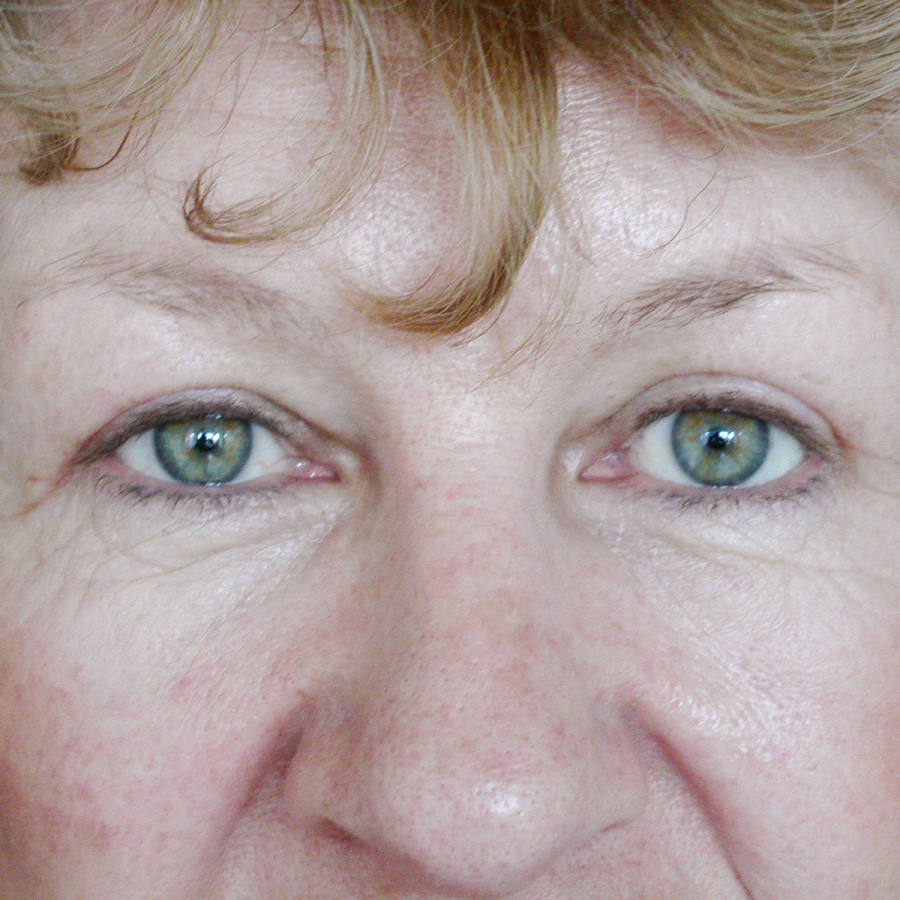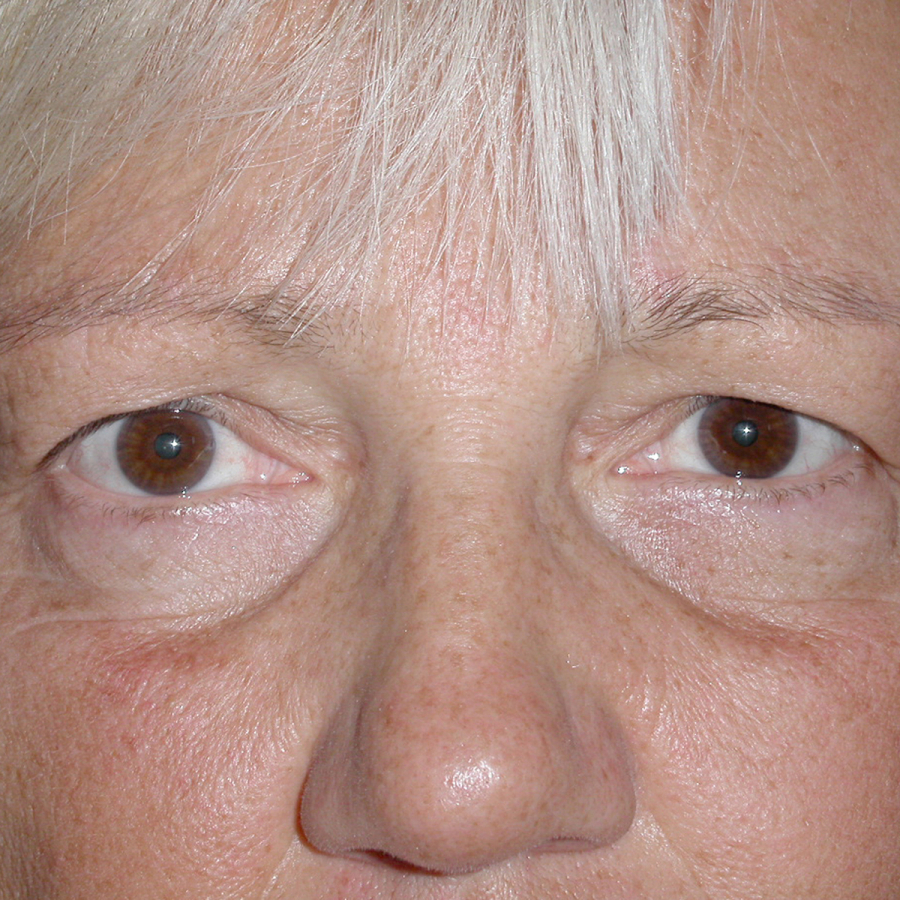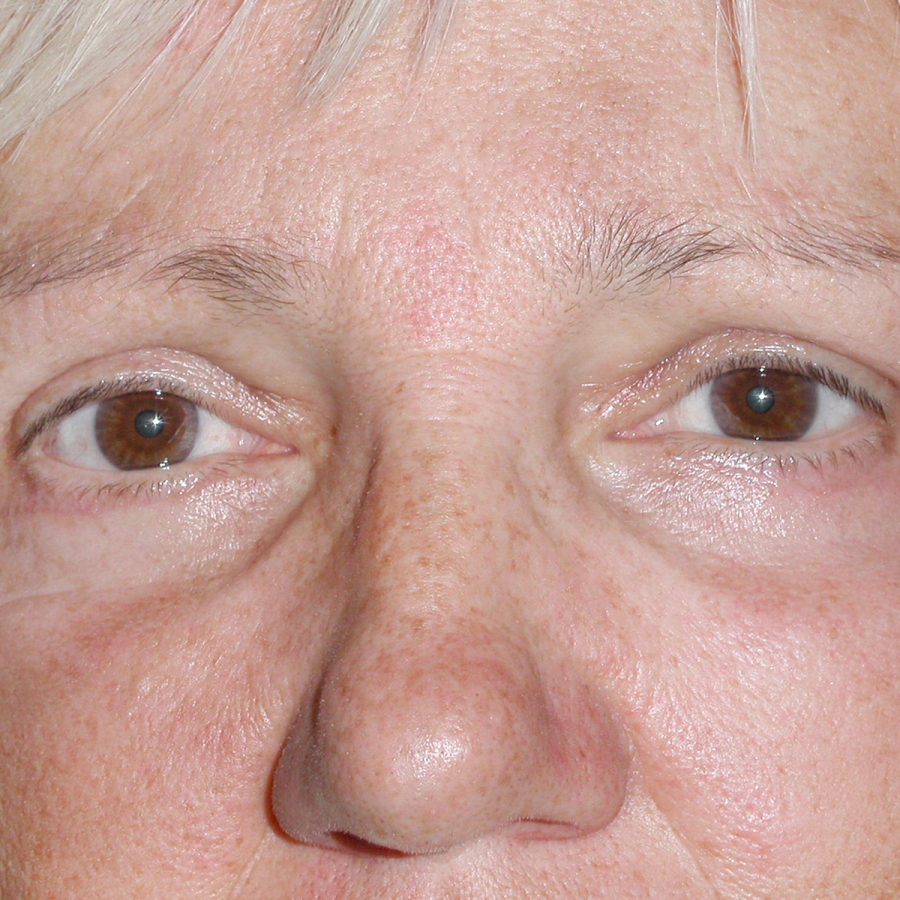





Forehead and Eyebrow Lift

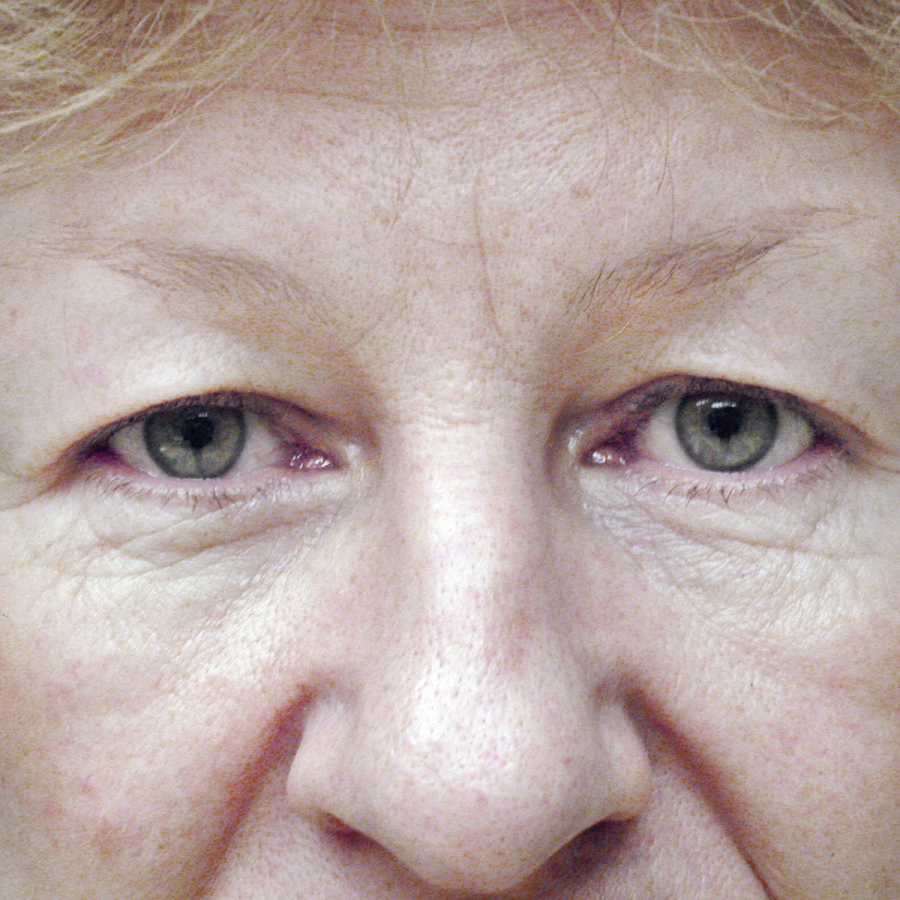
The forehead is another area where the ageing process becomes visible as the years advance, resulting in slack skin and wrinkles. The skin clings tighter to deeper structures and therefore sagging resulting from lack of elasticity is less distinctive here than in lower parts of the face. The most extensive sagging is usually visible in the lower part of the forehead, in the eyebrow area.


Timing and method:

The formation of expression lines is the first problem in forehead skin, which can sometimes already be visible from the age of 30 to 40. The less invasive methods should definitely be used first: Botulinum toxin is used to stop the wrinkling, synthetic material injections are used to fill the wrinkles and laser therapy is used to smooth out fine lines.

Forehead and Eyebrow Lift

Endoscopic surgery can be used to treat distinct, deep and isolated wrinkles or frown lines near the nasal root because the interruption of facial mimic muscles prevents deepening of these lines. Endoscopic surgery can also lift the outer edges of drooping eyebrows without the need for total forehead surgery.

The sagging of the skin of the forehead is a rather slow process and usually appears later than drooping in the central and lower parts of the face. Therefore, surgery should be scheduled last, i.e., following eyelid surgery and facelift. It is possible to perform face, neck and forehead lift together; however, it is always better to divide the surgery into 2 stages, with an interval of 4 to 6 months. It is definitely not suitable to combine eyelid surgery and forehead lift in one stage.

Complete forehead surgery, i.e., front lift or wide forehead lift running from temples to eyebrows and mid-forehead (including the release of ligaments near the nasal root), is most commonly performed in the 50 to 60 age range using the endoscopic method.  Only when the thicker skin is rather saggy in women over 60 can classic surgery be sometimes used.

Preparation:

As already mentioned, the scope of surgery can be different and the pre-operative examination and overall preparation is designed accordingly.

No acute illness (virosis, cold) should occur up to 3 weeks before surgery. Also no inflammatory illness or allergy symptoms should occur on the skin of the face and forehead. 

Operation:

Depending on the scope, surgery can be performed under local anaesthesia, or commonly the combination of local and general anesthesia is used (intravenous delivery of neuroleptanalgesia or general anaesthesia).

The surgery starts with the disinfection of face and hair. After that two scalp incisions are made, each about 1.5 cm long, in the central parting of the hair and two transverse incisions are made on the hairline, approximately above the outer edge of the eyebrow.

Through these incisions the forehead skin is lifted in the central area to the nasal root and along the eyebrow to the temples. Then interruptions are performed on mimic muscle ligaments near the nasal root and on flat muscles at the outer edge of the brow. All is performed under the skin surface, using endoscopic tools and monitored on a screen. Then it is lifted and loose skin is secured in the place of incision. The skin is secured either on the scalp over gauze pads, or it can be anchored directly onto the bone using temporary screws or special clips.

Finally the skin is fixed to the forehead with elastic tape and bandage.

Post-operative process:

If the scope of surgery is only minor and is performed under local anaesthesia, the patient may go home on the same day. Overnight hospitalisation is necessary in complex forehead lifts under combined anaesthesia.

The patient can wash their hair and take a shower usually 3 days after surgery. Elastic tape and elastic bandages or headbands are recommended to be worn for 7 to 10 days after surgery, then at night for another 7 to10 days or longer if swelling remains.

Swelling on the upper part of the face is the main side effect of surgery. Sometimes bruising occurs on eyelids after they gradually move from the forehead. If only the forehead is treated, the tissue infiltration spreads on the upper part of the face and disappears rather quickly (3 to 5 days). When face and forehead lifts are performed together there is no place for the swelling in surrounding tissues and an extensive overall swelling forms in the forehead and face, which disappears more slowly (10 to14 days). Swellings may be prevented by cold compresses, rest and sleeping on the back.

The pressure of the elastic bandage and swelling on the forehead can result in headaches and nausea for a day or two after surgery. These problems are controlled with medication.

Stitches are usually removed within 10 to 14 days after surgery; scars hidden in the hair are not noticeable and usually do not need any special treatment.

The time it takes for swelling and bruising to fade completely varies depending on the scope of surgery and healing abilities of each individual. Usually it does not take more than 2 or 3 weeks. Patients are able to be back at work in 7 to 10 days; normal physical exertion (sports, exercise etc.) as well as exposure to sun is possible in 3 to 4 weeks.

Tension and minor sensation disorders in the treated area are common side effects, disappearing within several weeks.

If the forehead lift was aimed to smooth out or improve deep wrinkes, it is good to accompany the treatment with the application of botulinum toxin 2 or 3 months after the surgery.

During the surgery, skin is released and lifted and the ligaments of mimic muscles interrupted. However, fine and flat muscles remain in the skin structure and hypodermis and subsequently begin to contract the skin again. Although the scope and strength of these contractions is limited because the ligaments were interrupted, botulinum toxin immobilises the mimic muscle completely for a period of time and the usual facial movements fade out.

Fine forehead wrinkles, formed already before surgery, can be smoothed out using laser therapy after the surgery.

Complications:

Immediate complications like infections or more extensive bleeding are relatively rare today. They are minimised by the application of antibiotics and anti-bleeding drugs and by thorough post-operative care.

Later complications may include long-term reduction of sensitivity and facial movements in parts of the forehead and brow. If the problem with eyebrow movements persists for more than one month, it is necessary to consider and eventually start special physiotherapy and targeted vitamin treatment.

The treatment and physiotherapy can take several weeks before the nerves in the treated area recover.


lifting, forehead, eyebrow

Forum

Lifting

Insert another question

Before & After pictures

 - Lifting

before procedure   after procedure

more pictures

You can visit us on Facebook